Mastering the Moving Truck: DIY Packing Tips from Prescott Pros

Grant Cool • January 17, 2026

You have rented the truck. You have bought the tape. Your life is currently scattered across your living room floor in a chaotic sea of cardboard and bubble wrap. Now comes the moment of truth: getting all of it into the back of a moving vehicle.


Many DIY movers treat packing a truck like a casual game of Tetris. They toss items in as they come out of the house, hoping everything fits. This approach usually leads to three things: wasted space, damaged belongings, and a very stressful drive. At Prescott Moving Company, we know that loading a truck is less about luck and more about engineering. It requires strategy, physics, and a bit of foresight.


Even if you have decided to handle your move without our full-service crew, we want your transition to be successful. A poorly packed truck isn't just a frustration; it is a safety hazard. Whether you are navigating the winding roads of Prescott or hitting the open highway, the way you pack your vehicle determines how it handles and whether your favorite lamp survives the journey. Here is how to load your moving truck efficiently, safely, and professionally, straight from the experts who do it every day.


Phase 1: The Pre-Load Strategy

The biggest mistake DIY movers make is starting to load the truck before they are actually ready. You cannot build a solid structure if you are constantly pausing to tape up a box or disassemble a table. Professional movers never walk empty-handed, and they never start loading until the inventory is prepped.


Use Uniform Boxes

We cannot stress this enough: maximize your efficiency by using standard moving boxes. Scavenged boxes from grocery stores are free, but they come in odd shapes and sizes. This makes stacking nearly impossible. When boxes don’t stack flush, they create gaps. Gaps lead to shifting, and shifting leads to crushed items. Invest in small, medium, and large moving boxes. Their uniform dimensions allow you to build sturdy, floor-to-ceiling columns that won't topple over.


Stage Your Inventory

Before the ramp comes out, organize your belongings. Create a staging area in your garage or driveway. Group your items by weight and size:

  • Heavy furniture: Appliances, dressers, mattresses.
  • Heavy boxes: Books, canned goods, tools.
  • Medium/Light boxes: Kitchenware, clothes, linens.
  • Awkward items: Lamps, bicycles, garden tools, chairs.

Seeing your inventory laid out allows you to visualize the puzzle before you start placing the pieces.


Phase 2: Building the Foundation

Think of the inside of your moving truck as a series of vertical walls. Your goal is to build tight, floor-to-ceiling tiers, starting from the front of the truck (closest to the cab) and working your way back.


Load the Heavy Hitters First

Your heaviest items must go against the front wall of the truck’s cargo area. This usually includes appliances like washing machines, refrigerators, and heavy dressers. Keeping the heaviest weight close to the cab keeps the truck’s center of gravity stable. If you put all the heavy items near the back door, the front of the truck may lift slightly, reducing your steering traction—a dangerous situation on a rainy or icy day.


The "I-Formation" vs. The "T-Formation"

When loading large furniture like desks or headboards, you have two choices for placement:

  1. I-Formation: Standing the item upright on its end. This saves floor space and allows you to pack vertically.
  2. T-Formation: Placing the item flat on the floor.

Professional movers almost always opt for the I-formation whenever safe to do so. However, always wrap furniture in moving pads before loading. Once the heavy furniture is in place, use your heavy boxes to lock them in.


Phase 3: The Art of the Stack

Once your heavy furniture is secured against the front wall, you begin stacking boxes. This is where your standardized boxes prove their worth.


Heavy on Bottom, Light on Top

This seems obvious, but in the heat of moving day, it gets forgotten. Build your tiers with the heaviest boxes (books, papers) at the bottom. As you build upward, graduate to medium-weight boxes (dishes, toys), and finish the top layers with the lightest items (linens, pillows, lamps). This lowers the center of gravity for that specific stack and prevents heavy boxes from crushing lighter ones during a sudden stop.


Build Walls, Not Towers

Do not build a single column of boxes straight up to the ceiling and then move to the next. That lonely tower will fall the moment you hit a speed bump. Instead, build a "wall" that spans the width of the truck. Lock the boxes together like bricks. If you have a gap between two boxes, bridge it with a box on the next layer up. A solid wall of boxes supports itself.


Tight is Right

Friction is your friend. You want your items packed so tightly that they hold each other in place. If you can wiggle a box, it’s too loose. If you finish a tier and there is a small gap between the boxes and the ceiling, or between the boxes and the side wall, fill it. This is the perfect place for soft, squishable items. Stuff bags of clothing, pillows, comforters, or even stuffed animals into these crevices. These soft items act as shock absorbers and prevent the load from shifting.


Phase 4: Managing Weight Distribution

Driving a fully loaded 26-foot truck is very different from driving a sedan. The way you distribute weight inside the cargo area dramatically affects handling.


Left-to-Right Balance

You must balance the load from side to side. Do not put your refrigerator, washing machine, and bookshelf all on the left side of the truck while putting mattresses and pillows on the right. An imbalanced truck will pull to one side, making it difficult to keep in a lane. It also increases the risk of tipping over on sharp curves. As you build your tiers, mentally weigh what you are putting on the driver’s side versus the passenger’s side.


Forward-to-Back Balance

We mentioned placing heavy items near the cab, which is crucial. However, you also want to avoid placing all the weight over the rear axle. Aim for an even distribution, with a bias toward the front. If the truck feels like the nose is floating or the steering is unresponsive, you have likely put too much weight in the back.


Phase 5: Securing the Load

You might pack the perfect truck, but once you hit a pothole, physics takes over. You need mechanical assistance to keep everything in place.


Use the Tie-Down Rails

Most rental trucks have wooden rails or metal tracks running along the interior walls. These aren't decoration; they are essential safety features. As you finish each "wall" or tier of goods, strap it in. Use ratchet straps or heavy-duty rope to secure that section to the rails. This creates a barrier that prevents the tier from falling backward into the empty space while you are working on the next section.


Mattress Placement

Mattresses are excellent tools for securing a load. You can place a mattress (in a protective bag, of course) vertically against a wall of boxes to act as a giant shield. Tie the mattress to the side rails, and it will hold the boxes behind it firmly in place.


"Mom's Attic"

Many moving trucks have a shelf that extends over the truck cab, often called "Mom's Attic." This is a separate compartment that should be treated carefully. It is the perfect spot for fragile items, electronics, or oddly shaped heirlooms that you don't want crushed in the main cargo area. However, ensure items up here are also packed tightly so they don't slide around during turns.


Phase 6: Handling Fragile and Awkward Items

Not everything fits into a square box. Here is how Prescott Moving Company handles the tricky stuff.


Mirrors and Artwork

Never lay mirrors or large framed art flat. They will crack under their own weight or the weight of items bouncing on top of them. Always stand them upright, preferably wedged between a mattress and a box wall so they cannot fall.


Table Legs and Chairs

Disassemble what you can. Remove legs from tables to save space and prevent damage. If you cannot remove legs, load the table on its side with the legs facing the wall, and pack boxes around and under the legs. Stack chairs seat-to-seat (inverted) to create a stable square shape that is easier to load.


Tools and Sharp Objects

Garden tools, rakes, and shovels should be bundled together with tape. Wrap the sharp ends in bubble wrap or old towels. Place these in the corners of the truck or on the floor under other items where they cannot slide and puncture a box.


Why Professional Help Matters

Packing a truck correctly is physically demanding and mentally taxing. It requires lifting heavy boxes above your head, crawling into tight spaces, and constantly re-evaluating your strategy. While these tips will help you manage a DIY move, there is no substitute for professional experience.


If you look at your belongings and feel the panic rising, remember that you don't have to do it alone. Prescott Moving Company offers flexible services. We can handle just the packing, just the loading, or the entire move from start to finish. We bring the right equipment, the right materials, and the expertise to ensure your items arrive in the exact same condition they left. Don't risk a back injury or broken heirlooms. Let us turn your moving mountain into a manageable molehill. Overwhelmed by the boxes? Contact Prescott Moving Company today for professional packing advice or to schedule a crew that treats your belongings like their own.


Meta Information

Meta Title: How to Pack a Moving Truck: DIY Tips | Prescott Moving Company
Meta Description:
Learn expert strategies for packing a moving truck efficiently. Prescott Moving Company shares tips on weight distribution, stacking, and maximizing space for DIY movers.


Moving in the winter is a challenge
By Grant Cool January 9, 2026
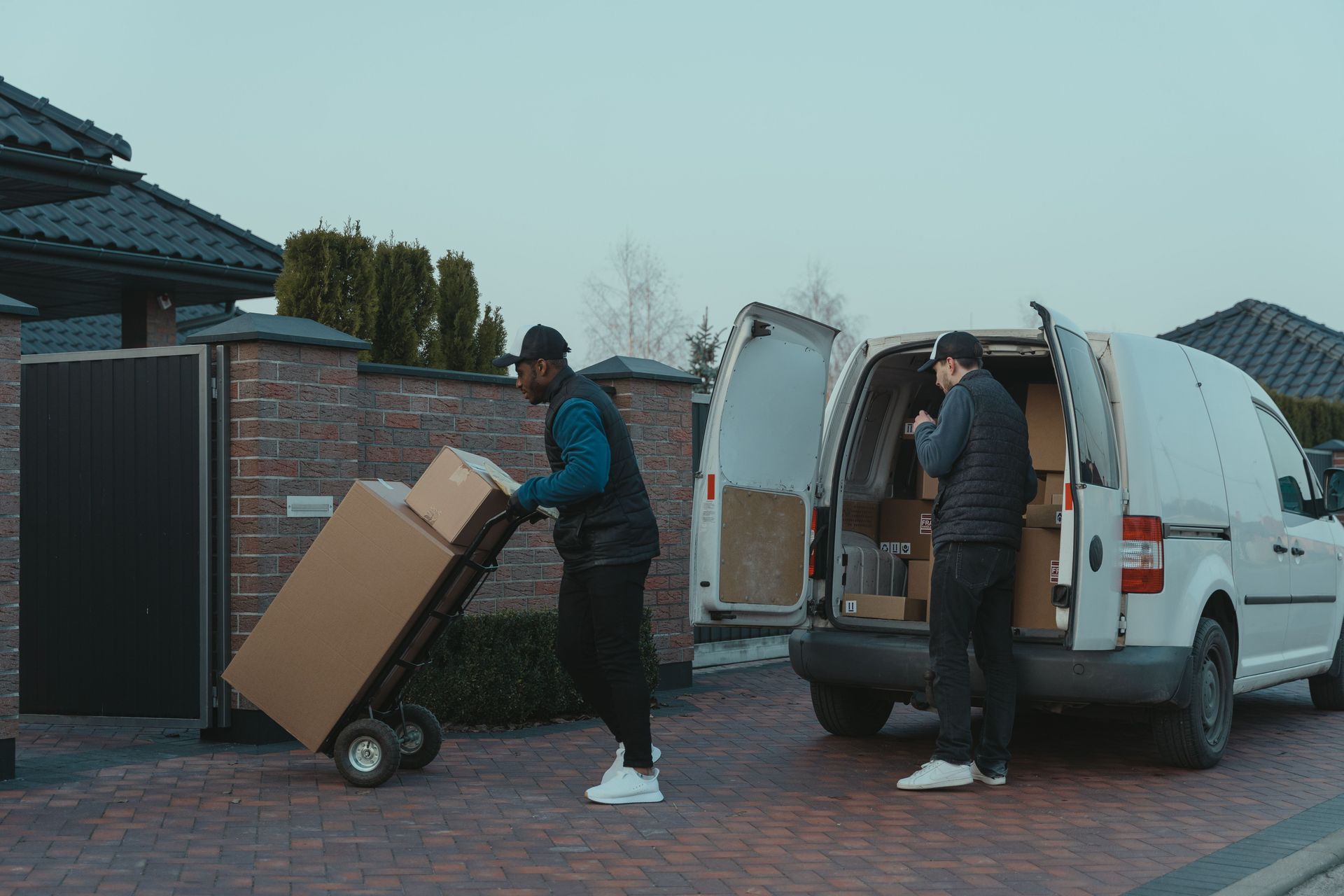
Moving day is stressful enough when the birds are singing and the sun is shining. Add a layer of frost, shorter daylight hours, and the potential for icy roads, and it can feel like you are gearing up for an arctic expedition rather than a simple relocation. Winter moves in Prescott come with a unique set of challenges, but they also offer distinct advantages—like lower costs and more flexible scheduling—if you know how to navigate them. At Prescott Moving Company, we don’t let the mercury drop our standards. We understand that life doesn't stop for the weather, and neither do we. Whether you are moving across town or across the state, our team is equipped to handle the chill so you can stay warm and worry-free. Here is how we turn a potentially frozen fiasco into a smooth, efficient winter transition. Why Winter Moving is a Different Beast Most people aim for summer moves, but sometimes you don't have a choice. Maybe it's a new job starting in January, or perhaps you just closed on your dream home in December. While winter moves are less common, they require a higher level of preparation and expertise. Cold weather affects everything from the pliability of packing tape to the traction of our tires. Furniture can become brittle, electronics are sensitive to extreme cold, and slippery walkways pose a safety hazard for everyone involved. Attempting a DIY move in these conditions is not just difficult; it can be dangerous. This is where professional experience becomes your most valuable asset. Navigating Icy Roads and Driveways The biggest concern for most homeowners during a winter move is transportation. Navigating a 26-foot moving truck through icy residential streets or up a steep, snow-packed driveway is not a task for the faint of heart. Experienced Drivers Our drivers are seasoned professionals who know Northern Arizona roads inside and out. They are trained to handle heavy vehicles in adverse weather conditions, ensuring that your belongings arrive safely, regardless of what the forecast says. We monitor weather patterns closely leading up to your move day to plan the safest and most efficient routes. Specialized Equipment We don't just rely on skill; we rely on the right tools. Our trucks are maintained to the highest standards, with tires and braking systems checked regularly to handle winter roads. We also come prepared with the necessary equipment to ensure traction and safety on site, minimizing the risk of the truck getting stuck or sliding on your property. Protecting Your Belongings from the Cold The cold doesn't just make you shiver; it can actually damage your possessions if they aren't properly protected. Wood furniture can crack if the temperature shifts too rapidly, and electronics can suffer permanent damage if condensation forms inside them. Climate Control Awareness We understand which items need special care. Our team knows how to load the truck to minimize exposure to the cold air near the door. We also use high-quality moving blankets and padding not just for impact protection, but to provide a layer of thermal insulation for your sensitive items. Floor and Home Protection Winter means mud, slush, and salt. The last thing you want is for your old home or your new one to be tracked with dirty footprints. Prescott Moving Company takes extra precautions to protect your floors. We use runners and protective coverings in high-traffic areas to ensure that the only thing we leave behind is an empty room. This keeps your carpets clean and prevents slippery hazards on hardwood floors. Safety First: Loading and Unloading Safety is our top priority, and winter amplifies the risks. A slip on an icy porch while carrying a heavy sofa can lead to serious injury or damaged goods. We take proactive steps to mitigate these risks before we lift a single box. Walkway Preparation: We assess the loading and unloading zones immediately upon arrival. If necessary, we can advise on clearing snow or applying ice melt to create safe pathways. Proper Footwear and Gear: Our crews come equipped with the right gear for the weather. This includes footwear with heavy-duty traction to ensure stability on slick surfaces. Strategic Scheduling: We aim to maximize the daylight hours. Winter days are short, so we start early and work efficiently to ensure the bulk of the heavy lifting is done while visibility is good. Tips for Winter-Proofing Your Move While we handle the heavy lifting, there are a few things you can do to help the process go smoothly. 1. Clear the Way Before our truck arrives, please ensure your driveway and walkways are shoveled and salted. A wide, clear path is essential for the safety of our crew and your belongings. If the truck can't get close to the house due to a snowbank, it adds time and effort to the move. 2. Pack an "Essentials" Box This is good advice for any move, but critical in winter. Pack a separate bag with warm clothes, chargers, toiletries, and perhaps a kettle for hot drinks. Keep this in your personal vehicle so you have immediate access to it without digging through a cold moving truck. 3. Protect Electronics If possible, transport sensitive electronics like laptops and tablets in your own heated vehicle. If they must go on the truck, ensure they are double-wrapped in blankets. When you arrive at your new home, let electronics acclimatize to room temperature for at least 24 hours before turning them on to prevent condensation damage. 4. Turn Up the Heat Ensure the utilities are turned on at your new home before moving day. You want to walk into a warm house, and a warm environment helps your furniture settle properly after being in the cold truck. Experience the Warmth of Professional Service Don't let the winter freeze your plans. A winter move can be just as successful and seamless as a summer one when you have the right team in your corner. Prescott Moving Company brings the expertise, equipment, and muscle needed to conquer the cold. We handle the logistics and the heavy lifting so you can focus on settling into your cozy new home. Let us take the stress out of your winter relocation . We are ready to brave the elements for you. Planning a move this winter? Contact Prescott Moving Company today for a free quote and let our experts handle the cold! Meta Information Meta Title: Winter Moving Tips | Prescott Moving Company Meta Description: moving in winter doesn't have to be a frozen nightmare. Prescott Moving Company shares expert tips on navigating icy roads and protecting your belongings.
Moving Pods the pros and cons
By Grant Cool December 30, 2025
Moving can be a complex puzzle of timelines, logistics, and decisions. From packing boxes to coordinating transport, every step requires careful planning. In recent years, portable moving containers, often called "moving pods," have emerged as a popular alternative to traditional moving trucks. They offer a unique blend of flexibility and control that appeals to many people. But is a moving pod the right choice for your situation? Navigating the world of moving pods involves more than just ordering a container. You need to choose the right size, understand the logistics of delivery and pickup, and weigh the pros and cons against your specific needs. At Prescott Moving Company, we do more than just traditional moves; we serve as your moving consultants. We help you explore all your options, including moving pods, to find the perfect solution for a smooth, stress-free relocation. What Exactly is a Moving Pod? A moving pod is a portable storage container that is delivered directly to your home. You pack it at your own pace, and when you are ready, the company picks it up and transports it to your new address or a secure storage facility. This method separates the packing and transportation phases of a move, giving you more control over your timeline. At Prescott Moving Company, we partner with top-tier container providers to streamline this process for you. We help you determine if this moving style fits your needs and then handle the coordination, ensuring you get the right pod, delivered at the right time, exactly where you need it. The Pros: Why a Moving Pod Might Be Perfect for You The popularity of moving pods is driven by several key advantages that solve common moving day headaches. Pro 1: Unmatched Flexibility and Control This is the number one reason people choose moving pods. Unlike a rental truck that must be loaded, driven, and unloaded in a tight 24- or 48-hour window, a pod gives you breathing room. You can take days or even weeks to load your belongings, reducing the frantic rush of a single moving day. This is especially helpful for families with young children or those who want to declutter and pack thoughtfully. Pro 2: Ground-Level Loading Lifting heavy furniture up a steep, narrow truck ramp is one of the most physically demanding and dangerous parts of moving. Moving pods sit at ground level, eliminating the need for a ramp. You can simply walk your items directly into the container, which is easier on your back and significantly reduces the risk of dropping and damaging valuable furniture or injuring yourself. Pro 3: Built-In Storage Solution Often, there is a gap between when you need to be out of your old home and when you can get into your new one. With a moving pod, your packed container can be transported to a secure storage facility instead of directly to your new address. This avoids the exhausting and costly process of unloading everything into a storage unit, only to reload it into a truck a few weeks later. Prescott Moving Company can coordinate this storage for you, keeping your items safe until you are ready for them. Pro 4: Reduced Driving Stress For long-distance moves, the thought of driving a large, unfamiliar truck across state lines can be a major source of anxiety. With a moving pod, you leave the transportation to the professionals. After you pack and lock your container, the company handles the driving. You can travel to your new home in the comfort of your own vehicle, confident that your belongings will meet you there. The Cons: What to Consider Before Committing Despite their benefits, moving pods are not a one-size-fits-all solution. It is crucial to understand the potential drawbacks before you decide. Con 1: Space and Parking Limitations Moving pods require a flat, stable, and legal place to be parked. If you live in an apartment complex with a tight parking lot, a home with a steep driveway, or a neighborhood with strict HOA rules, finding a suitable spot for a large metal container can be a challenge. At Prescott Moving Company, we help you assess your property and check local regulations beforehand to ensure a pod is even a viable option. Con 2: You Still Do the Heavy Lifting A moving pod is a DIY moving solution. The service covers transportation, but the packing and loading are up to you. If you are unable or unwilling to do the physical labor of moving furniture and heavy boxes, a pod alone might not be the right fit. However, this is where a hybrid solution comes in. Prescott Moving Company can provide professional movers to help you load and unload your pod, giving you the best of both worlds—the pod's flexibility and the muscle of a professional crew. Con 3: Potential for Load Shifting When you hire a full-service moving company, their experienced team knows how to pack a truck tightly to prevent items from shifting during transit. When you pack a pod yourself, the responsibility for securing the load is yours. If not packed correctly, items can move, fall, and break during transport. It is essential to use ropes, straps, and proper packing techniques to ensure everything arrives in one piece. Con 4: Access and Sizing Issues Moving pods come in several standard sizes, but they may not perfectly match your needs. You might end up paying for a larger container than you need or, worse, running out of space. Unlike a moving truck where you can try to squeeze one last item in the cab, once a pod is full, it is full. We help you estimate the cubic footage of your belongings to select the most appropriate and cost-effective pod size from the start. How Prescott Moving Company Makes Pods Easy Deciding if a pod is right for you—and then managing the logistics—is where we shine. We act as your moving partner, offering expert guidance and support throughout the process. 1. Expert Consultation and Sizing We start with a thorough consultation to understand the scope of your move, your timeline, and your budget. Based on the size of your home and the volume of your belongings, we help you choose the correctly sized pod to avoid waste or overflow. 2. Seamless Coordination We take the hassle out of logistics. We will coordinate the delivery of the pod to your home and schedule its pickup and transportation to your new destination or a storage facility. You make one call to us, and we handle the rest. 3. Hybrid Moving Services Want the flexibility of a pod but not the back-breaking labor? We offer professional loading and unloading services. Our expert crew can come to your home to efficiently and safely pack your pod, ensuring your items are secure for transit. We can then meet you at your new home to unload everything. 4. Comprehensive Moving Solutions If we determine a pod is not the best fit for you, we can seamlessly transition to providing our top-rated full-service moving solutions. Our goal is to find the best method for your unique move, not to push one specific service. Is a Moving Pod in Your Future? Moving pods offer a fantastic, flexible alternative for many relocations. By carefully weighing the pros and cons, you can decide if this modern moving method aligns with your needs. With Prescott Moving Company as your partner, you have access to the expertise and resources to make that decision with confidence and execute it with ease. Ready to explore a more flexible way to move? Contact Prescott Moving Company today for a free consultation on our moving pod solutions and comprehensive moving services! Meta Information Meta Title: Moving Pods for Your Prescott Move | Pros & Cons Meta Description: Is a moving pod right for you? Explore the pros and cons of portable moving containers with expert help from Prescott Moving Company.
Packing your shoes the right way
By Grant Cool December 17, 2025
Moving is a massive undertaking, filled with countless decisions and a seemingly endless to-do list. As you stand surrounded by boxes, it’s easy to focus on the big items—the couch, the dining table, the fragile china. But what about the smaller collections that often get overlooked until the last minute? For many, this means a mountain of shoes , and the question of how to pack them efficiently without causing damage. It might seem trivial, but improperly packed shoes can lead to scuffs, crushed heels, lost pairs, and a chaotic unpacking process. The last thing you want when settling into your new home is to dig through a dozen boxes searching for your work boots or favorite sneakers. A systematic approach is key to protecting your footwear and making your move smoother. At Prescott Moving Company, we’ve seen it all. We understand that every item, no matter how small, contributes to a successful, stress-free move. This guide will walk you through our professional tips for packing shoes, ensuring every pair arrives at your new home organized, protected, and ready to wear. Why a Shoe-Packing Strategy Matters Taking a few extra moments to pack your shoes correctly pays off significantly. Simply tossing them into a large box or a duffel bag is a recipe for disaster. Here’s why a proper packing strategy is essential: Protection: Shoes, especially those made from delicate materials like suede, leather, or patent leather, can be easily scratched or scuffed by other pairs. Heels can puncture softer shoes, and the weight of a full box can crush delicate structures. Organization: When you arrive at your new home, you’ll want to find essential pairs quickly. A well-organized system allows you to locate your work shoes, running sneakers, or slippers without having to unpack every single box. Hygiene: Packing dirty shoes with clean ones can spread dirt, grime, and odor. A little prep work keeps your entire collection fresh and clean during transit. Space Efficiency: Properly packed shoes take up less space. A neat, organized box is far more efficient than a jumbled mess, allowing you to fit more into a single container and potentially reduce the total number of boxes you need. The Prescott Moving Company Method for Packing Shoes Follow these professional steps to ensure your footwear collection is packed perfectly. Step 1: Declutter and Categorize Before you pack a single shoe, take the opportunity to declutter. Moving is the perfect time to get rid of pairs you no longer wear. Create three piles: Keep: The shoes you love and will wear in your new home. Donate/Sell: Shoes that are in good condition but you no longer need. Discard: Shoes that are worn out, broken, or beyond repair. Once you have your "Keep" pile, categorize the shoes. Group them by type (e.g., sneakers, dress shoes, boots, sandals) or by family member. This will make unpacking and organizing in your new closets much easier. Step 2: Clean and Prep Each Pair Never pack dirty shoes. Dirt and moisture can lead to mold, mildew, and unpleasant odors during transit, especially if your items will be in storage for a period. Use a brush to remove any caked-on dirt or mud from the soles. Wipe down leather and synthetic shoes with a damp cloth. Allow every pair to air dry completely before packing. Packing even slightly damp shoes can cause significant damage. Consider using shoe deodorizers or placing a dryer sheet inside each shoe to keep them smelling fresh. Step 3: Gather the Right Packing Materials Using the right materials is crucial for protecting your shoes. Prescott Moving Company can provide all the necessary supplies, or you can gather them yourself. Original Shoe Boxes: If you still have them, these are the best option. They are designed for your shoes and provide excellent protection. Small or Medium Moving Boxes: These are ideal for packing multiple pairs. Avoid large boxes, as they can become too heavy and may lead to shoes at the bottom being crushed. Packing Paper: Use clean, ink-free packing paper or tissue paper for wrapping and stuffing. Avoid using newspaper, as the ink can transfer and stain your shoes. Packing Tape and a Marker: For sealing and labeling your boxes. Step 4: The Art of Wrapping and Stuffing This step is essential for maintaining the shape of your shoes and preventing scuffs. Stuff the Toes: Take a piece of packing paper and gently stuff it into the toe of each shoe. This helps the shoe maintain its shape and prevents it from being crushed. For boots, stuff the entire shaft to keep it from creasing. Wrap Each Shoe: Wrap each shoe individually in packing paper. For delicate pairs, like high heels with embellishments or expensive dress shoes, consider wrapping them separately before placing them together. This prevents buckles, heels, and decorations from damaging other shoes. Step 5: Pack the Box Correctly How you place the shoes in the box is just as important as how you wrap them. Heaviest on the Bottom: Always place the heaviest pairs, like boots and sturdy work shoes, at the bottom of the box. Lighter Shoes on Top: Place lighter shoes, such as sandals, flats, and sneakers, on top of the heavier pairs. Alternate Heel to Toe: To maximize space, arrange pairs by alternating their direction (heel to toe). This "nesting" technique allows them to fit together snugly. Fill the Gaps: Use crumpled packing paper or extra socks to fill any empty spaces in the box. This prevents the shoes from shifting around during transit, which is a primary cause of scuffs and damage. Do not overstuff the box, as this can cause it to bulge and potentially break. Step 6: Label Everything Clearly Proper labeling is a mover’s best friend and will save you hours of frustration during unpacking. Use a marker to label the top and sides of each box. Be specific. Instead of just writing "Shoes," write "Jen's Work Shoes & Boots" or "David's Sneakers - Closet." If a box contains particularly fragile or expensive footwear, add a "FRAGILE" label. Let Prescott Moving Company Handle the Packing Feeling overwhelmed by the thought of packing your entire closet? You don’t have to do it alone. Prescott Moving Company offers professional packing services to take the stress out of your move. Our expert team is trained to handle all your belongings, including your extensive shoe collection, with the utmost care. We provide: High-Quality Materials: We use professional-grade boxes and packing paper to ensure maximum protection. Expert Techniques: Our movers know the best methods for packing everything efficiently and safely, saving you time and preventing damage. Complete Peace of Mind: With our team handling the packing, you can focus on the other important aspects of your move. Your move should be an exciting new beginning, not a stressful chore. By following these packing tips or entrusting the job to our professionals, you can ensure that every pair of your shoes arrives in perfect condition. Ready to make your move simple and stress-free? Contact Prescott Moving Company today for a free quote on our professional moving and packing services! Meta Information Meta Title: How to Pack Shoes for a Move | Prescott Moving Company Meta Description: Learn how to pack shoes for a move with expert tips from Prescott Moving Company. Protect your footwear and make unpacking easy with our step-by-step guide.