
What Not to Pack: A Moving Decluttering Guide

Grant Cool • November 10, 2025

Moving to a new home is an exciting chapter, but the process of getting there can feel overwhelming. One of the biggest sources of stress is the sheer volume of "stuff" we accumulate over the years. Packing up every single item, moving it, and then finding a place for it in your new home is a massive undertaking. What if you could make your move significantly easier, cheaper, and less stressful?


At Prescott Moving Company, we’ve seen it all. With decades of experience helping families move in and around Prescott, we know that the secret to a smooth move isn't just about expert packing—it starts with smart decluttering. By taking the time to sort through your belongings and get rid of what you no longer need, you can save time, money, and a whole lot of effort. This guide shares our professional tips on how to decide what stays and what goes.


The High Cost of Moving Clutter

Before diving into the "how," it's important to understand the "why." Why is it so crucial to declutter before you move? Moving clutter costs you in several ways:

  • Money: Professional movers often charge based on the weight of your shipment or the time it takes to load and unload the truck. The more you move, the more you pay. You're also paying for packing materials—boxes, tape, bubble wrap—for items you might not even want.
  • Time: Every item you own must be packed, labeled, loaded, transported, unloaded, and unpacked. A weekend spent packing expired pantry items and old clothes is a weekend you'll never get back.
  • Space: Your new home is a fresh start. Filling it with clutter from your old home immediately makes it feel smaller and more disorganized. Starting with only the things you truly need and love allows you to design your new space with intention.
  • Stress: Facing a mountain of boxes is daunting. The more there is to unpack, the longer it takes to feel settled and comfortable in your new environment.


The Prescott Moving Company Method: A Room-by-Room Strategy

The thought of decluttering an entire house at once is paralyzing. The key is to break it down into manageable chunks. Tackle one room—or even just one closet—at a time. As you go through each item, use a simple four-category system. Get four large boxes or bins and label them: Keep, Donate, Sell, and Discard. Every single item you touch must go into one of these four boxes. There is no "maybe" pile. If you're struggling to decide, ask yourself these critical questions:

  • Have I used this in the last year?
  • Is it broken? If so, will I realistically fix it before I move?
  • Do I have more than one of these? Do I need a duplicate?
  • Does it fit my new home's style or space?
  • Am I keeping this out of guilt or obligation?
  • Would I buy this item today if I saw it in a store?

If the answers are "no," it's time to let it go.


What You Don’t Need: A Checklist for Decluttering

Here are some of the most common items we see people move unnecessarily. Use this as a guide to start identifying what you can get rid of.


In the Kitchen

The kitchen is a prime spot for clutter. Be ruthless here.

  • Expired Food: Go through your pantry, fridge, and spice rack. Toss anything that is expired. Consider donating unexpired, non-perishable food you don't want to move to a local food bank.
  • Duplicate Utensils and Gadgets: How many wooden spoons, whisks, or can openers do you really need? Keep the best one and donate the rest. The same goes for that single-purpose gadget you used once (we're looking at you, apple corer).
  • Chipped or Stained Dishware: Mismatched and damaged mugs, plates, and bowls take up valuable space.
  • Old Water Bottles and Travel Mugs: Keep your favorites and recycle the rest.


In the Closets

Clothing is personal, but closets are often filled with items we no longer wear.

  • Clothes That Don't Fit: Be honest. If it hasn't fit in over a year, it's time to donate it.
  • Outdated or Worn-Out Fashion: That bridesmaid dress from a decade ago or those worn-out shoes can go.
  • Unused Accessories: Scarves, belts, and jewelry you never wear are just taking up space.
  • Excess Hangers: Keep enough for the clothes you're taking and get rid of the bent wire ones.


In the Bathroom

Bathrooms can quickly become a graveyard for half-used products.

  • Expired Medications and Toiletries: Check expiration dates on everything. Most pharmacies have safe disposal programs for old medications.
  • Old Makeup and Sunscreen: These products have a shelf life. If it's old, smells off, or has changed consistency, toss it.
  • Frayed Towels and Linens: Old, stained, or ripped towels can be repurposed as cleaning rags or donated to an animal shelter.


In the Office and Living Areas

This is where paper, media, and electronics tend to pile up.

  • Old Manuals and Paperwork: Most manuals are available online. Shred old bills and documents you no longer need to keep for tax or legal reasons.
  • Physical Media: DVDs, CDs, and old books you'll never watch or read again can be sold or donated. Consider digitizing old photos and home movies to save space.
  • Outdated Electronics and Cables: That box of random cables for devices you no longer own can be recycled. Many electronics stores have e-waste recycling programs.


In the Garage and Storage Areas

These spaces are magnets for clutter.

  • Old Paint Cans and Chemicals: These can be hazardous and difficult to move. Check with local waste management for proper disposal guidelines.
  • Broken Tools and Lawn Equipment: If it's beyond repair, it's time to let it go.
  • Unused Hobby Supplies: That project you started five years ago and never finished? It might be time to pass those supplies on to someone who will use them.


A Fresh Start Begins Before You Pack

Decluttering is about more than just getting rid of junk; it's about making a conscious choice to start fresh in your new home with only the things that serve a purpose or bring you joy. It's the most powerful step you can take to ensure your move is efficient, cost-effective, and low-stress. Once you've sorted through everything, the hard part is over. The team at Prescott Moving Company can then step in to expertly handle the rest. We provide the professional packing, loading, and transport services you need for a seamless transition. By doing the decluttering work upfront, you allow us to move you more quickly and affordably. Ready to make your move a truly fresh start?  Contact Prescott Moving Company today for a free estimate and expert advice on making your next move your best move.


Meta Information

Meta Title: Moving Decluttering Tips: What Not to Pack | Prescott Moving
Meta Description:
Save time, money, and stress on your move. Prescott Moving Company shares expert tips on what to declutter before you pack your first box.


By Prescott Moving Company May 9, 2026
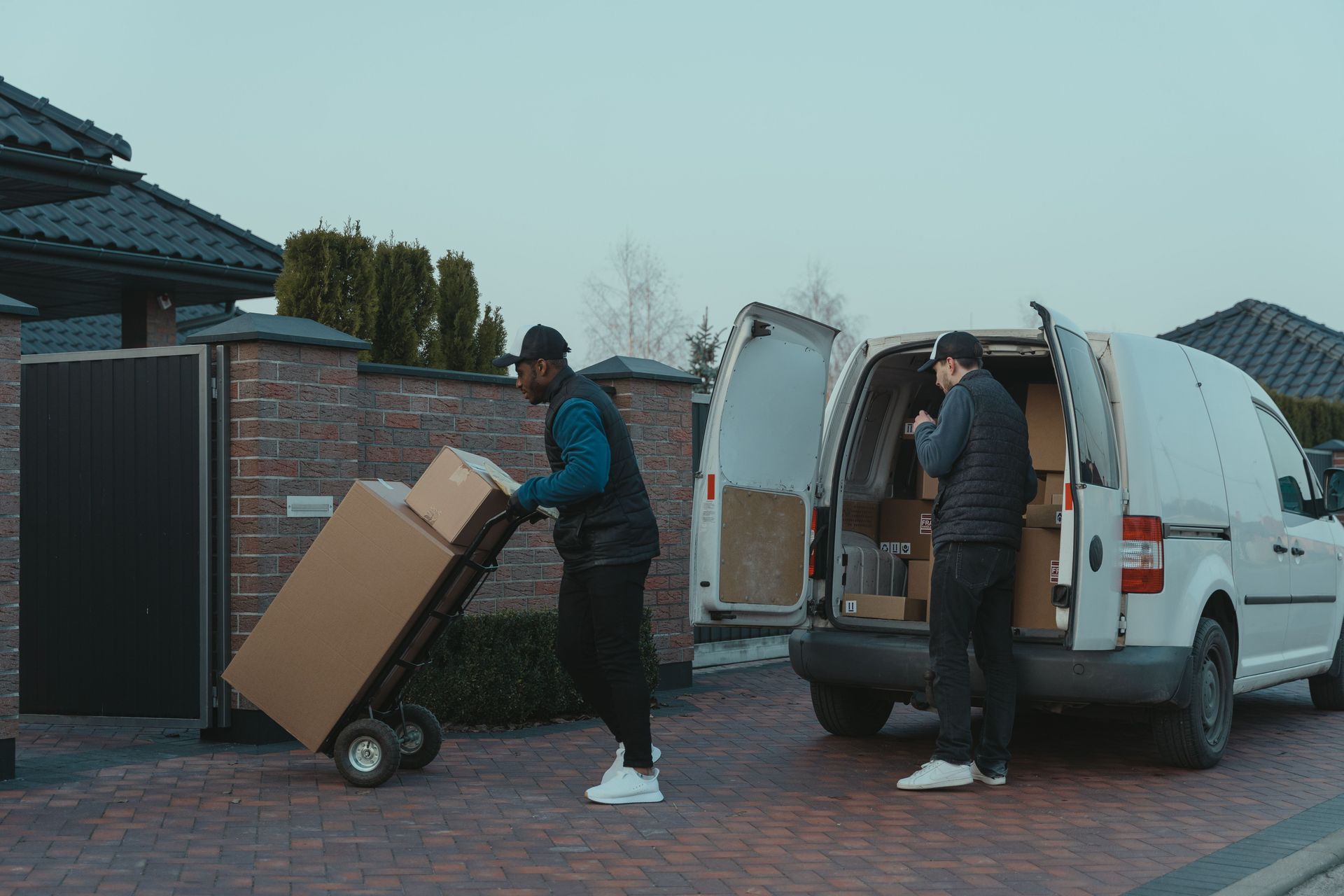
Discover how to ease the stress of moving in Prescott, AZ: Find reliable movers, understand common challenges, and learn how Prescott Moving Company can be your trusted partner for residential and commercial relocations.
Stacked open cardboard boxes piled together in a storage area
By Grant Cool May 5, 2026
The moving truck drives away. You look around your new home. Cardboard boxes fill every single room. Unpacking takes time, but eventually, you face a new problem. You must decide what to do with a massive pile of empty boxes. At Prescott Moving Company, we know the job does not end when we carry the last item inside. We want to help you clear out the clutter and settle in smoothly. Here are the best ways to handle your leftover moving supplies . Recycle Them Properly Most moving boxes consist of thick, high-quality cardboard. This makes them perfect for recycling. Break each box down completely flat. Pull off as much packing tape as you can. Then, stack the flattened cardboard neatly by your recycling bin. If you have too many boxes for a standard trash pickup day, gather them up in your car. Take a quick trip to your local recycling center. This simple act keeps bulky waste out of the local landfill. Pass Them On to Others Someone else always needs moving supplies. You can give your boxes a second life by passing them on to another family. Post a quick message on a local community board or a neighborhood social media group. Many people will gladly drive directly to your house to pick up free, sturdy boxes. You help out a neighbor, save them money, and clear your living room all at the exact same time. Keep a Few for Storage You will likely need to store seasonal items in your new home. Keep a few of the strongest boxes for your attic, basement, or garage. Moving boxes work perfectly for holding thick winter coats, fragile holiday decorations, or old tax files. Just make sure you label the outside clearly with a thick marker. This saves you from opening every single box when you search for your winter boots next year. Repurpose Them Creatively Cardboard offers endless possibilities for creative projects. If you have kids or pets, empty boxes provide hours of free entertainment. You can build a giant living room fort, create a tunnel maze, or make a cozy scratch-bed for your cat. If you enjoy gardening, cardboard acts as an excellent weed barrier. Lay the flat cardboard directly over a garden bed. Cover the cardboard with a thick layer of mulch. The box blocks out the sunlight to stop weeds, and it slowly breaks down to enrich the soil. We Support Your Entire Journey Getting rid of empty boxes marks the true final step of your relocation. At Prescott Moving Company, we guide you through every single phase of the process. We share practical advice long after moving day ends so you can focus entirely on enjoying your new space. Do not let the stress of packing and moving hold you back from your next great adventure. Contact Prescott Moving Company today to plan your upcoming relocation. We will handle the heavy lifting to give you a smooth, completely stress-free experience.
Suburban house with gray siding, blue shutters, a white garage, and a small landscaped front yard
By Grant Cool April 28, 2026
The moving truck finally pulls away, leaving you standing among a sea of cardboard boxes. You successfully navigated the packing, the loading, and the physical transit. You might think the hardest part is over. However, settling into a new home requires just as much strategy as the move itself. Opening boxes at random will only leave you feeling overwhelmed and exhausted. You need a clear plan to transform this new house into your comfortable home. Knowing exactly what to tackle first saves you time, energy, and massive amounts of stress. At Prescott Moving Company, our commitment to your transition does not end when we unload the last piece of furniture. We want to help you settle in smoothly. We created this comprehensive post-move guide to walk you through your first few days. You will learn how to prioritize your unpacking, manage essential administrative tasks, and start building roots in your new neighborhood. Unpack Your Essentials First When you stare at dozens of identical boxes, you might feel tempted to unpack whatever sits closest to you. Resist this urge. You need to focus entirely on your immediate comfort and basic daily needs. Open the Essentials Box Ideally, you packed a specific "open me first" box before the move. This box should contain everything you need to survive the first 24 to 48 hours without hunting through other containers. If you labeled it clearly, bring this box straight to the kitchen counter. Your essentials box should hold basic toiletries, a few rolls of toilet paper, prescription medications, and simple tools like a box cutter and a screwdriver. You will also want your phone chargers, basic cleaning supplies, and a shower curtain. Having these items instantly accessible prevents a frantic midnight search when you just want to go to sleep. Prioritize the Bedrooms and Bathrooms After a long day of moving, you will want a clean, comfortable place to sleep. Make setting up the beds your absolute top priority. Assemble the bed frames, lay down the mattresses, and make the beds with fresh sheets. Do this before you even think about the living room couch or the television. Next, shift your focus to the bathrooms. Hang a shower curtain, stock the toilet paper, and put out fresh towels. Taking a warm shower and climbing into a properly made bed will make your first night in the new house feel like a victory. Handle the Administrative Tasks Moving involves more than just physically relocating your belongings. You also need to transfer your life on paper. Knocking out these administrative chores early prevents major headaches down the road. Verify Your Utilities and Services You likely called to set up your utilities before moving day. Now, you need to verify that everything actually works. Test the light switches, turn on the faucets, and check the hot water heater. Confirm that your gas, electricity, water, and trash collection services are fully active under your name. If you have not set up your internet connection yet, schedule this appointment immediately. Internet providers often book up weeks in advance. Securing your connection quickly ensures you can work from home, stream your favorite shows, and manage your other post-move tasks online without eating through your cellular data. Update Your Address Everywhere Updating your address requires more than just a quick trip to the post office. Start by filling out an official change-of-address form with the United States Postal Service. This ensures your essential mail gets forwarded to your new home for the next year. Next, notify your bank, credit card companies, and insurance providers about your new location. Do not forget to update your billing address on your favorite online shopping accounts and subscription services. Finally, check your local Department of Motor Vehicles requirements. Most states require you to update your driver's license and vehicle registration within a specific timeframe after moving. Do a Deep Clean and Inspect Your new home might look clean at first glance, but a deeper inspection often reveals dust, grime, and hidden issues. The best time to clean and inspect your house is before you unpack all your boxes and arrange your heavy furniture. Clean From Top to Bottom Grab your cleaning supplies and start fresh. Wipe down the inside of all kitchen and bathroom cabinets before putting your dishes or toiletries away. Sweep, vacuum, and mop the floors in every room. Pay special attention to areas that the previous owners might have missed. Clean the baseboards, dust the ceiling fans, and wipe down the window sills. Starting with a perfectly clean slate makes the entire house feel truly yours. Locate Essential Safety Features Take a few minutes to walk through the house and locate critical emergency features. Find the main electrical circuit breaker and figure out how it maps to different rooms. Locate the main water shut-off valve. If a pipe ever bursts, knowing exactly where to find this valve will save you thousands of dollars in water damage. Test every single smoke detector and carbon monoxide detector in the house. Replace the batteries immediately if you feel unsure about their age. Taking these simple safety steps gives you immense peace of mind as you settle in. Organize Your New Space Strategically With the basics covered, you can finally focus on the rest of your belongings. Do not rush this process. Take your time and use this opportunity to organize your life better than before. Plan Your Room Layouts Before moving heavy dressers and couches around, take a moment to visualize your ideal layout. Consider the natural traffic flow of the room. Think about where the natural light hits during the day and where you need easy access to electrical outlets. You can even use a piece of graph paper to sketch out different furniture arrangements. This saves your back from unnecessary heavy lifting and helps you create a more functional, welcoming living space. Unpack Room by Room Jumping from the kitchen to the living room and back to the bedroom kills your unpacking momentum. Instead, focus on conquering one room at a time. The kitchen serves as the best starting point because it acts as the heart of the home. Unpack your plates, glasses, and everyday cooking utensils first. Leave the specialized baking gear and holiday platters in their boxes until the essential items find their permanent homes. Once the kitchen feels functional, move on to the living room, and then tackle the home office or guest bedrooms. Breaking the work into distinct zones makes the massive task feel entirely manageable. Connect With Your New Community A house only becomes a home when you feel connected to the surrounding community. After spending a few days unpacking, take a break from the cardboard boxes and step outside. Introduce Yourself to the Neighbors You do not need to bake a pie or plan a grand introduction. Simply step outside when you see your neighbors working in their yards or checking the mail. Walk over, smile, and introduce yourself. Building a friendly relationship with your neighbors provides a wonderful sense of security. They can tell you which local restaurants deliver the best pizza, remind you about trash collection days, and keep an eye on your house when you go out of town. Explore Your Surroundings Take a walk or drive around your new neighborhood to get your bearings. Locate the nearest grocery store, pharmacy, and gas station. Find the quickest route to the local hospital or urgent care clinic. Spend an afternoon walking through nearby parks or visiting local coffee shops. Exploring your new city helps you build new routines and turns an unfamiliar town into your comfortable home base. How Prescott Moving Company Supports Your Journey At Prescott Moving Company, we know that moving represents a massive life transition. We do not just see ourselves as heavy lifters. We act as your dedicated partners throughout the entire relocation process. Our team provides expert guidance long after we unload your boxes. We take the time to place your furniture exactly where you want it, saving you from exhausting adjustments later. We handle your belongings with the utmost respect, ensuring everything arrives in pristine condition so you can start organizing immediately. Our goal is to remove the physical burden of the move so you can focus entirely on making your new house a home. Start Your Next Chapter With Confidence Settling into a new home takes time, patience, and a solid strategy. By unpacking your essentials first, handling your administrative tasks quickly, and taking the time to explore your new community, you can eliminate post-move stress entirely. You deserve a moving experience that leaves you feeling excited about your new space, not exhausted by the process. If you want a team that truly cares about your successful transition, we are here to help. Contact Prescott Moving Company today to discuss your upcoming relocation and request a free quote. Let our expert team handle the heavy lifting so you can enjoy a seamless, stress-free move from start to finish. Meta Information Meta title: Post-Move Tips: Settling In | Prescott Moving Company Meta description: Discover essential post-move tips from Prescott Moving Company. Learn how to prioritize unpacking, set up utilities, and organize your new home stress-free.